The Key Benefits of Installing a Water Softener System in Your Home
If your dishes come out of the dishwasher looking cloudy, your showerhead is caked with white crust, or your skin feels dry no matter how much moisturizer you use — hard water is likely the culprit. Installing a water softener system addresses these problems at the source, and the benefits ripple through nearly every part of daily home life.
What Is Hard Water and Why Does It Matter?
Hard water is water that contains elevated concentrations of dissolved minerals, primarily calcium and magnesium. Water hardness is typically measured in grains per gallon (GPG) or milligrams per liter (mg/L) — water above 7 GPG is generally classified as hard, and anything above 10 GPG is considered very hard.
According to the U.S. Geological Survey, hard water affects approximately 85% of American homes. That's a remarkably high number, which means the odds are good that your household is dealing with it right now — whether you've noticed the signs or not.
The minerals themselves aren't a health hazard in drinking water. The real damage happens over time: inside pipes, on appliance heating elements, across bathroom surfaces, and even on your skin and hair. Left unaddressed, hard water quietly erodes both your home's infrastructure and your quality of life.
How a Water Softener System Works
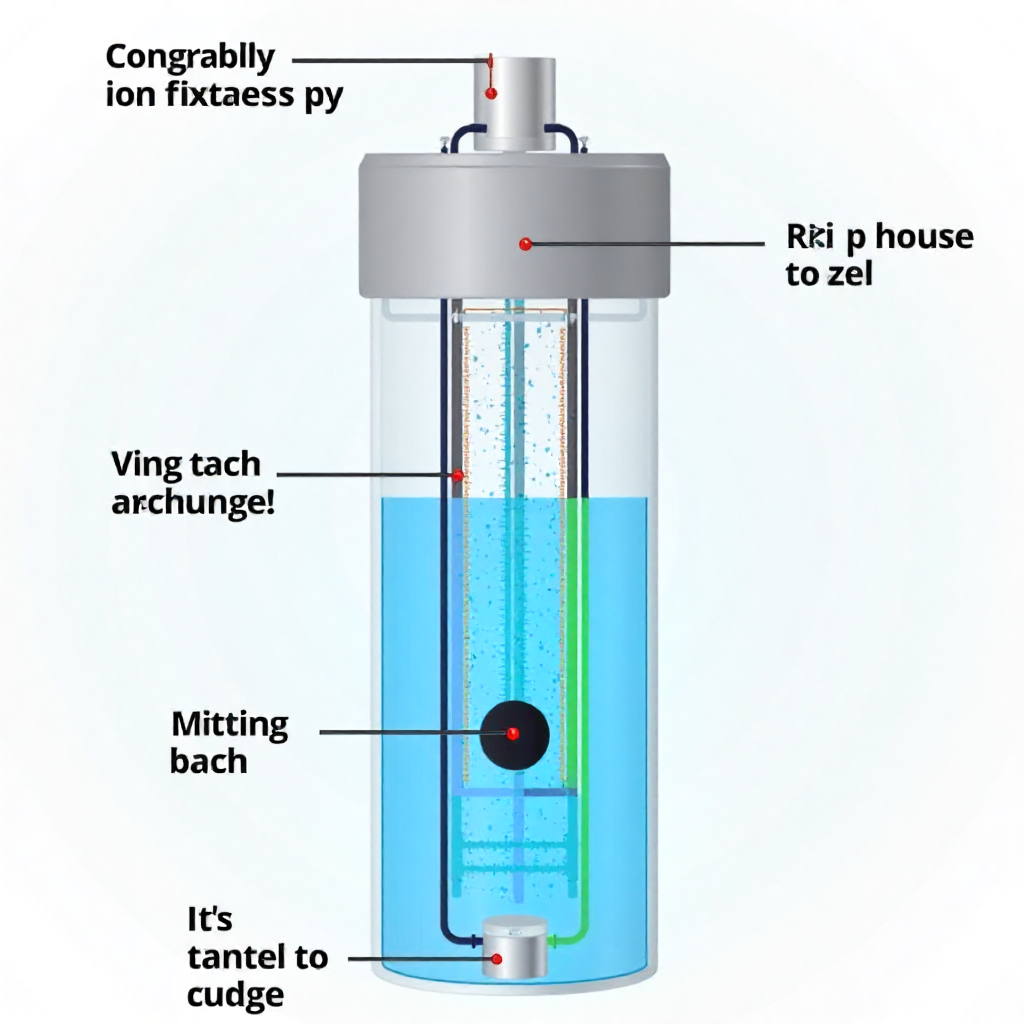
A water softener removes hardness minerals through a process called ion exchange. Water passes through a resin tank filled with negatively charged resin beads. Calcium and magnesium ions — which carry a positive charge — stick to the resin, while sodium or potassium ions are released into the water in their place.
The result is soft water: water with dramatically lower mineral content that flows through your home's plumbing without depositing scale. Periodically, the resin tank regenerates by flushing with a brine solution made from sodium chloride or potassium chloride salt, which recharges the resin beads and flushes the captured minerals down the drain.
The system runs largely on its own once installed. Most modern units regenerate automatically based on water usage, so you're not manually managing the process — just keeping the salt supply topped up every few weeks.
Protect Your Plumbing and Appliances from Limescale Damage
One of the most financially significant benefits of soft water is what it prevents: limescale buildup inside your pipes, fixtures, and water-using appliances. Limescale is the chalky white deposit left behind when hard water evaporates or heats up, and it accumulates relentlessly in any system that handles hot water.
Inside pipes, scale narrows the internal diameter over time, gradually restricting flow and increasing water pressure stress on joints and fittings. In appliances, it coats heating elements and internal components, forcing them to work harder to achieve the same result.
Consider what this means for your major appliances:
- Water heaters with scale-coated elements can consume 20–30% more energy to heat the same volume of water, according to industry studies on appliance efficiency.
- Dishwashers and washing machines suffer accelerated wear on pumps, seals, and heating elements when operating with hard water.
- Showerheads and faucets clog progressively, reducing flow rate and eventually requiring replacement.
Soft water eliminates the conditions that cause scale to form. Appliances last longer, require fewer service calls, and perform closer to their original specifications throughout their lifespan. For a household running multiple water-dependent appliances, this protection alone can justify the cost of installation over a 5–10 year window.
Save Money on Energy Bills and Cleaning Products
Soft water directly reduces two recurring household costs: energy consumption and the amount of soap, detergent, and cleaning products you need to buy. Both savings are real, measurable, and ongoing.
On the energy side, a scale-free water heater operates at peak efficiency. When limescale insulates the heating element — even a thin layer of 1.5mm can reduce efficiency by around 12% — your water heater runs longer cycles to compensate. Remove the scale problem, and you remove that hidden energy drain.
The cleaning product savings are just as tangible. Hard water interferes with soap lather because calcium and magnesium ions react with soap molecules to form a sticky residue (often called soap scum) rather than allowing them to foam and rinse cleanly. Soft water lets soaps and detergents activate properly, which means:
- You can use 50–75% less laundry detergent and still get cleaner results.
- Dish soap and dishwasher detergent go further, and rinse aid becomes largely unnecessary.
- Bathroom and kitchen cleaning products work faster with less scrubbing effort.
Over the course of a year, a typical household can save a meaningful amount on cleaning supplies alone — often enough to offset a significant portion of the system's annual operating cost (primarily the cost of salt).
Healthier Skin, Hair, and Laundry
Soft water improves the everyday experience of bathing, washing your hair, and doing laundry in ways that are immediately noticeable. Hard water leaves a mineral film on skin after showering, which can disrupt the skin's natural moisture barrier and contribute to dryness and irritation — particularly for people with sensitive skin or conditions like eczema.
Hair washed in hard water tends to feel dull and rough because mineral deposits coat the hair shaft and interfere with how conditioners absorb. Switch to soft water, and most people notice softer, more manageable hair within a few weeks.
The difference in laundry is equally striking. Clothes and towels washed repeatedly in hard water become stiff and rough over time — the minerals embed in fabric fibers and gradually degrade them. With soft water:
- Fabrics stay softer and retain their color longer.
- Whites stay brighter without the grayish tinge that hard water can cause.
- Towels feel genuinely absorbent rather than scratchy.
These aren't cosmetic perks. Clothes that last longer mean you're replacing them less often, which is a real household expense that soft water quietly reduces.
Signs Your Home Could Benefit from a Water Softener
Your home will usually show clear signs of hard water before you ever test a sample. Recognizing these indicators early can help you act before the damage to appliances and plumbing becomes costly.
Watch for these common hard water symptoms:
- White or yellowish scale deposits on faucets, showerheads, and around sink drains
- Spots and film on glassware and dishes even after a full dishwasher cycle
- Soap that doesn't lather well, or a persistent film in the shower or bathtub
- Stiff, scratchy laundry despite using fabric softener
- Dry skin or dull hair that doesn't respond well to moisturizing products
- Reduced water pressure from scale-narrowed pipes or clogged fixtures
- A water heater that seems to run constantly or takes longer to heat water
If several of these match your experience, having your water tested is the logical next step. Many professional home services providers offer water hardness testing as part of a consultation, giving you an accurate GPG reading before you commit to any solution.
Is a Water Softener System Worth the Investment?
For most homes with moderate to hard water, a water softener system pays for itself over time through appliance protection, energy savings, and reduced spending on cleaning products and personal care items. The upfront cost of professional installation typically ranges from $800 to $2,500 depending on system size and home requirements — but that figure needs to be weighed against the ongoing costs it eliminates.
A water heater that runs 25% more efficiently, appliances that last several years longer than they otherwise would, and annual savings on detergents and soaps add up to a meaningful return on that initial investment. Most homeowners in hard water areas recoup their installation costs within 3–5 years.
Professional installation matters here. A correctly sized and properly installed system works more efficiently, regenerates at the right intervals, and causes fewer issues down the line. An undersized unit won't fully treat your water; an oversized one wastes salt and water during regeneration cycles. Getting the sizing right requires knowing your household's daily water usage and your local water hardness level — both things a qualified installer will assess before recommending a system.
Ongoing maintenance is minimal but necessary: refilling the salt supply every 4–8 weeks, and having the system serviced annually to check resin health and valve function. Many home services companies offer maintenance plans that handle this on a schedule, so the system stays performing at its best without you having to think about it.
Frequently Asked Questions
How long does a water softener system last?
A well-maintained water softener typically lasts 15 to 20 years. The resin beads inside the tank may need replacement after 10–15 years depending on water quality and usage, but the overall unit is a long-term investment.
Does soft water affect drinking water taste or safety?
Softened water contains slightly elevated sodium levels due to the ion exchange process — generally 20–40 mg per liter depending on original hardness. For most people this is negligible, but those on sodium-restricted diets may prefer a dedicated unsoftened line for drinking water, or a system that uses potassium chloride instead of sodium chloride as the regenerant salt.
How much does it cost to install a water softener system?
Professional installation typically costs between $800 and $2,500 for the system and labor combined, depending on unit capacity, local labor rates, and whether any plumbing modifications are needed. Ongoing costs are primarily the salt supply, which averages $5–$15 per month for a typical household.
How often does a water softener need maintenance or salt refills?
Most households need to refill the salt reservoir every 4 to 8 weeks. Annual professional servicing is recommended to inspect the resin bed, check the control valve, and ensure the system is regenerating correctly.
Can a water softener work with a well water supply?
Yes, water softeners work with well water, but well water often contains additional contaminants — such as iron, manganese, or hydrogen sulfide — that require pre-treatment or a specialized system. A water test before installation is especially important for well water households to ensure the right equipment is selected.