The Science Behind Water Softening: How It Works and Why It Matters for Your Home
What Is Hard Water and Why Does It Matter?
Hard water is water that contains elevated concentrations of dissolved minerals, primarily calcium and magnesium ions. These minerals dissolve naturally as groundwater moves through limestone, chalk, and dolomite rock formations before reaching your home's supply.
The problems hard water causes are easy to spot once you know what to look for. That chalky residue on your showerhead? Limescale. The filmy feeling after washing your hands even with plenty of soap? Calcium and magnesium ions reacting with soap molecules to form an insoluble curd instead of a proper lather. The gradual loss of efficiency in your water heater? Scale buildup insulating the heating element from the water it's supposed to heat.
These aren't cosmetic annoyances. Scale accumulation inside pipes narrows the flow diameter over years, and appliances like dishwashers, washing machines, and boilers work harder — and fail sooner — when mineral deposits coat their internal components. For homeowners, that translates directly into higher energy bills and earlier replacement costs.
Understanding Water Hardness Levels
Water hardness is measured in grains per gallon (GPG) or milligrams per liter (mg/L), and these numbers tell you exactly how much dissolved mineral content you're dealing with. One grain per gallon equals roughly 17.1 mg/L of calcium carbonate equivalent.
The general classification used across the water treatment industry breaks down like this:
- Soft: 0–1 GPG (0–17 mg/L)
- Slightly hard: 1–3.5 GPG (17–60 mg/L)
- Moderately hard: 3.5–7 GPG (60–120 mg/L)
- Hard: 7–10.5 GPG (120–180 mg/L)
- Very hard: Over 10.5 GPG (above 180 mg/L)
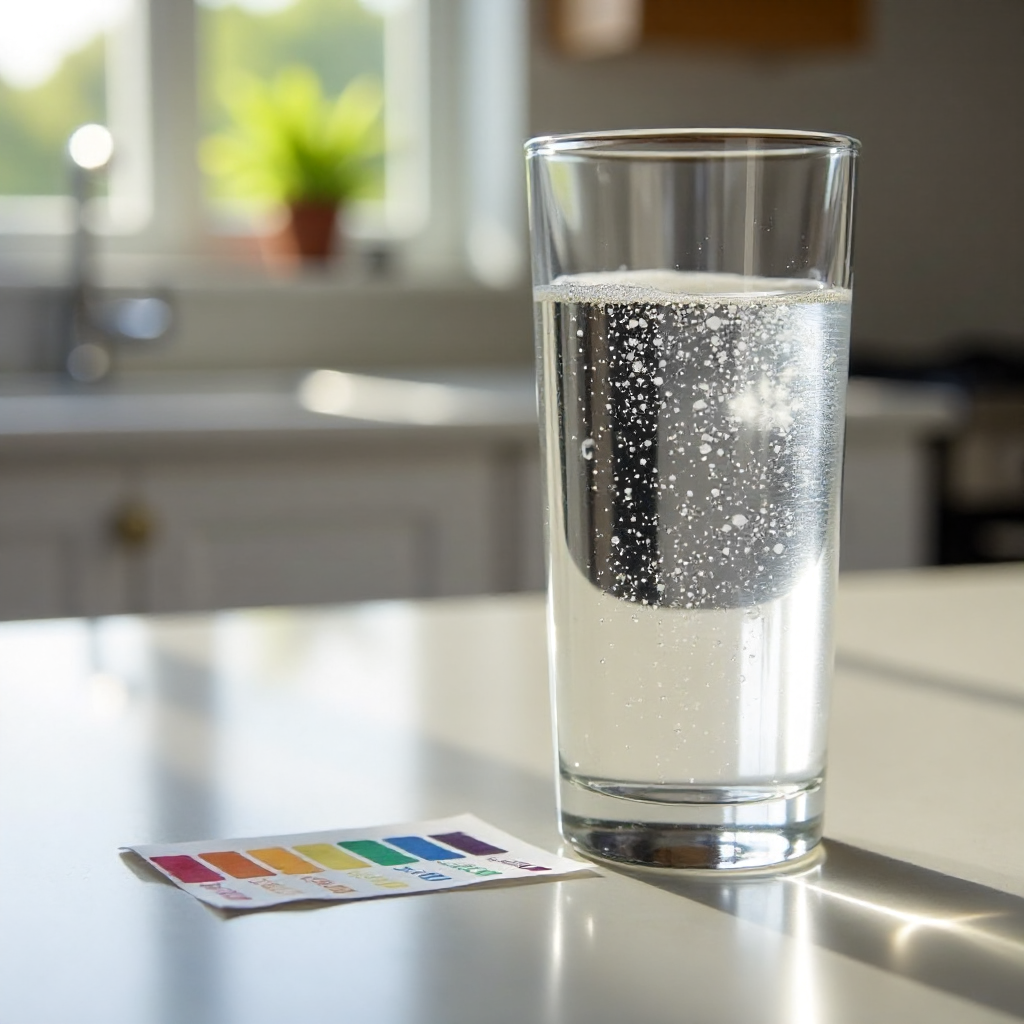
Knowing your home's hardness level isn't just academic — it's the starting point for choosing the right system and sizing it correctly. A softener sized for moderately hard water will be overwhelmed in a region where readings regularly exceed 15 GPG. Your local water utility often publishes annual water quality reports, or you can use an inexpensive test kit to get a baseline reading at your tap.
The Ion Exchange Process — The Core Science
Ion exchange is the mechanism at the heart of every salt-based water softener, and understanding it makes everything else click into place. The process works by swapping the minerals that cause hardness for a mineral that doesn't.
Inside the softener's main tank sits a bed of small polymer resin beads, each one carrying a negative electrical charge. Sodium ions — positively charged — cling to these beads in a loose bond. When hard water flows through the resin bed, something predictable happens: calcium and magnesium ions, which carry a stronger positive charge than sodium, displace the sodium and bind tightly to the resin beads instead. The sodium ions released in this exchange flow out with the now-softened water.
The result is water that has had its hardness-causing minerals removed and replaced with a small amount of sodium. The resin beads themselves stay in the tank, doing the same job repeatedly — until their sodium supply runs out and they need to be recharged.
This is elegant chemistry: no filters to replace, no electricity to drive the exchange itself, just a natural preference for stronger ionic bonds doing the work. The U.S. Geological Survey's water science resources provide a useful overview of how mineral content varies across different water sources if you want to dig deeper into the geology side of this.
The Regeneration Cycle: How Softeners Recharge Themselves
Once the resin beads are fully loaded with calcium and magnesium, they can no longer soften water — and that's where the regeneration cycle comes in. This is how a softener restores itself automatically, usually overnight when water use is low.
The process draws heavily concentrated saltwater (brine) from the separate brine tank and flushes it backward through the resin bed. The high concentration of sodium ions in the brine overwhelms the calcium and magnesium clinging to the resin — essentially forcing them off through sheer numbers. The displaced hardness minerals, along with the excess brine, are flushed down the drain.
What's left is a resin bed recharged with sodium ions, ready to soften water again. The cycle typically takes 60 to 90 minutes and uses a set volume of water and salt that depends on the system's capacity and how hard your water is.
This is also why keeping the brine tank stocked with salt matters. An empty brine tank means no regeneration, which means resin beads that can't exchange ions — and hard water flowing straight through the system as if the softener weren't there at all.
Salt-Based vs. Salt-Free Systems — Key Differences
Salt-free systems do not remove calcium and magnesium from water — and that distinction matters more than most marketing materials acknowledge. What they do instead is alter the structure of those minerals so they're less likely to stick to surfaces.
The technology most commonly used in salt-free conditioners is template-assisted crystallization (TAC). Instead of ion exchange, TAC uses a catalytic media that encourages dissolved minerals to form microscopic crystals that stay suspended in the water rather than precipitating onto pipe walls and appliance surfaces. The hardness minerals are still present in the water — they just behave differently.
Here's the practical implication: salt-based ion exchange softeners genuinely soften water by removing hardness minerals. Salt-free conditioners reduce scale formation but don't produce the same lathering improvement or the same skin-feel difference that comes from actually removing calcium and magnesium. Choosing a salt-free system to avoid adding sodium to your water is a legitimate reason — but go in knowing it's a trade-off, not a like-for-like swap.
The Real-World Benefits of Softened Water
The benefits of softened water trace directly back to the science: remove the minerals that cause problems, and the problems diminish. That's not a marketing claim — it's a logical consequence of the ion exchange process.
In practical terms, homeowners with softened water typically notice:
- Extended appliance lifespan — Water heaters, dishwashers, and washing machines accumulate scale far more slowly, which means heating elements and internal components aren't working against a layer of insulating mineral deposits.
- Reduced soap and detergent use — Without calcium and magnesium neutralizing the surfactants in soap, you need less product to achieve the same cleaning result. Soft water lathers more readily and rinses more completely.
- Cleaner fixtures and glassware — Limescale spots on taps, showerheads, and glasses are a direct product of hard water evaporating and leaving minerals behind. Softened water leaves far less residue.
- Better feel on skin and hair — Many people notice their skin feels less dry and their hair less brittle after switching to softened water, because the minerals that interfere with soap rinsing are no longer present.
None of these benefits require invented statistics to be compelling. The mechanism explains the outcome, and the outcome is real.
Is a Water Softener Right for Your Home?
A water softener makes the most sense when your water hardness consistently exceeds 7 GPG and you're seeing real evidence of the problem — scale on fixtures, shortened appliance cycles, or high soap consumption. Below that threshold, the return on investment becomes less clear-cut.
Household size matters too. A larger household uses more water, which means resin beads exhaust faster and the regeneration cycle runs more frequently. Softener systems are sized by grain capacity, and buying one that's too small for your usage means it's working harder than it should, burning through salt faster and potentially delivering inconsistent results.
Before purchasing any system, a professional water test is worth the modest cost. A test gives you hardness level, pH, iron content, and other parameters that affect which type of softener will actually work for your specific water chemistry. Iron, for instance, can foul resin beads if present in significant concentrations, and a standard softener alone may not be the right solution.
The logical sequence is: test first, size correctly, then install — ideally with professional guidance to ensure the system is set up for your actual water conditions rather than a generic default. A well-matched, properly installed softener can serve a household reliably for 10 to 20 years.
Frequently Asked Questions
Does softened water taste different, and is it safe to drink?
Softened water does contain slightly more sodium than untreated water, though the amount added is modest — typically 20 to 30 mg per liter for moderately hard water. For most people, this is well within safe limits. However, those on sodium-restricted diets may prefer to use a separate drinking water tap that bypasses the softener, or opt for a salt-free system for drinking water specifically.
How much salt does a water softener actually use?
Salt consumption depends on water hardness, household water usage, and system efficiency. A typical household softener uses roughly 6 to 10 pounds of salt per regeneration cycle. High-efficiency systems with demand-initiated regeneration only regenerate when needed, which reduces salt use compared to older timer-based models.
How do I know if my water is hard enough to need a softener?
Visual clues — white crusty deposits on faucets, spots on glassware, reduced water heater efficiency — are reliable indicators. For a precise answer, use a home test kit or request a professional water test. Your municipal water report is also a free starting point, though hardness can vary between the treatment plant and your tap.
What is the difference between a water softener and a water filter?
A water softener removes hardness minerals (calcium and magnesium) through ion exchange. A water filter removes contaminants such as sediment, chlorine, heavy metals, or pathogens through physical or chemical filtration. They address different problems and are often used together — but they are not interchangeable systems.
How long do water softener resin beads last?
Quality resin beads typically last 10 to 15 years under normal operating conditions. Exposure to high iron levels, chlorine, or physical damage from improper regeneration can shorten their lifespan. If a properly maintained softener starts delivering noticeably harder water despite adequate salt levels, degraded resin is often the culprit.